How Professional Tree Care Protects and Preserves Your Log Home
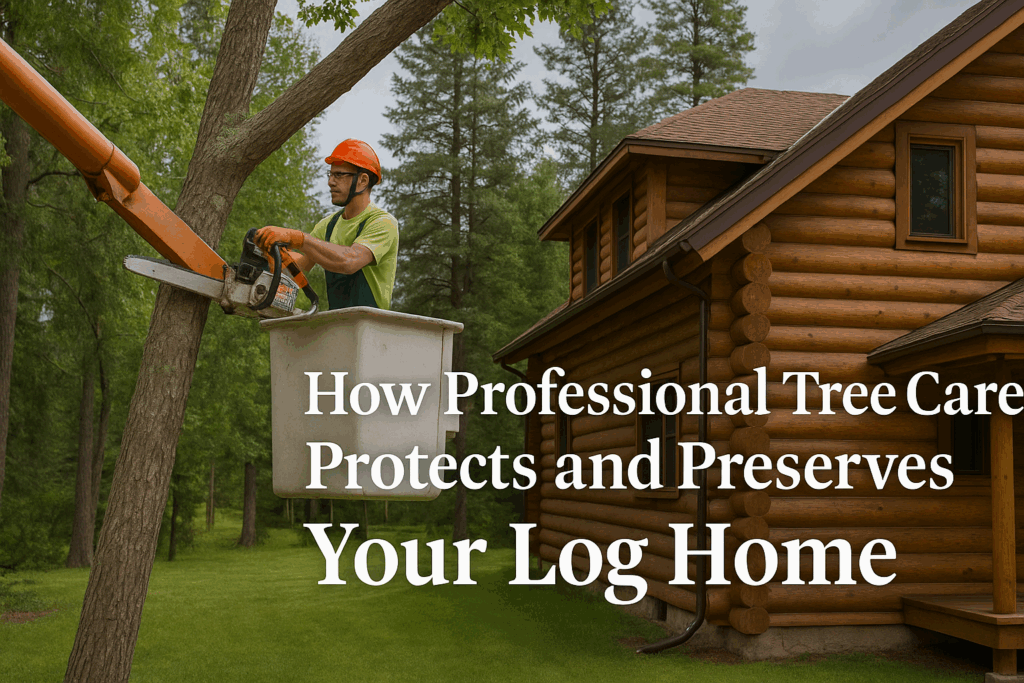
Owning a log home is more than a lifestyle choice — it’s a connection to nature, craftsmanship, and peaceful living. Whether your log home is nestled deep in the mountains or surrounded by suburban greenery, the landscape around it plays a major role in the home’s long-term condition. Trees provide shade, privacy, and beauty, but they can also become a risk when not maintained properly.
Professional tree care isn’t just about trimming branches. It’s a proactive way to protect your property, keep the surrounding environment healthy, and preserve the structural integrity of your log home for years to come.
Why Tree Maintenance Matters for Log Homes
1. Protecting Your Roof and Exterior Walls
Trees that grow too close to your home can gradually cause damage. Overhanging branches trap moisture against the roof and upper logs, accelerating rot and encouraging mould growth. Heavy branches can fall during storms, damaging roofing shingles, gutters, or even the log structure itself.
Regular tree trimming ensures proper airflow and sunlight reach the home’s exterior — both critical factors in preventing moisture-related deterioration.
2. Reducing Fire Risk
Log homes are often positioned in natural, forested settings — beautiful, but also more vulnerable to wildfire conditions.
Strategic tree care, including removal of dead or diseased trees, canopy lifting, and clearing debris, helps create a defensible space around your home. This reduces the chance of embers catching, slows fire spread, and makes your home easier to protect in an emergency.
3. Improving Safety for Your Family and Property
Trees can appear healthy on the outside while hiding internal decay, split limbs, root instability, or pest damage. These issues can cause branches or entire trees to fall without warning.
A professional arborist can assess risk factors that aren’t visible to the untrained eye. Early intervention prevents property damage and keeps your family safe.
4. Enhancing Your Outdoor Living Spaces
Well-maintained trees add character, comfort, and privacy to a log home. Proper pruning encourages natural growth patterns, allowing sunlight to filter beautifully through the canopy. It also helps maintain the balance between shade and sun, preventing damp areas that can encourage moss or mould near the home’s foundation.
Healthy trees not only look better — they can increase the overall value of your property.
Recognizing When It’s Time for Tree Removal
Removing a tree is sometimes unavoidable, especially when it poses a hazard or interferes with structures. Signs that a tree needs professional evaluation include:
- Leaning or a sudden change in posture
- Cracks in the trunk or major limbs
- Hollow sections
- Large dead branches
- Fungal growth at the base
- Soil movement or exposed roots
Tree removal should only be handled by trained professionals due to the risks involved — especially when the tree is close to a house, deck, fence, or power lines.
Choosing the Right Tree Care Professionals
Tree care around log homes requires a specific understanding of natural timber structures, moisture control, and property preservation. The ideal team should:
- Have qualified arborists
- Use modern, safe equipment
- Understand environmental sustainability
- Be experienced in working around structures
- Provide clear advice, not upsells
If you’re looking for a trusted team with extensive experience in tree trimming, pruning, removals, and property maintenance, consider working with Geelong Tree Service — a leading provider of safe, reliable, and professional tree services.
Maintaining the Balance Between Nature and Your Log Home
One of the greatest joys of owning a log home is being surrounded by natural beauty. But that beauty needs to be managed to protect the investment you’ve made in your property. With proactive tree care, you maintain not only the health of the trees but also the long-term condition of your log home.
Regular inspections, pruning, and thoughtful landscape planning will keep your home safe, dry, and looking its best — no matter the season.